
Air Sealing and Weatherization in Newark, NJ

Most homes leak far more air than their owners realize. The leaks are usually in places you cannot see: around attic hatches and chimneys, along the top of walls, around plumbing and wiring, and at the rim joist. Air sealing closes those gaps. It is often the most cost-effective first step in improving comfort and cutting energy waste.
Why air sealing and weatherization matters in Newark
Warm air escapes through the top of a house and cold air is pulled in at the bottom, a movement known as the stack effect. Insulation slows heat flow, but it does not stop air, so a house with plenty of insulation and lots of leaks can still be drafty. We seal with the right material for each gap: caulk for small cracks, foam for larger gaps and fire-rated materials around flues and chimneys. We never seal around combustion appliances without checking for safe venting, because a tighter house needs adequate combustion air and fresh-air strategies.
Signs you may need air sealing and weatherization
- Drafts near outlets, baseboards and windows
- Dust that returns quickly even after cleaning
- Cold floors and warm ceilings in winter
- Large temperature swings between rooms
- High energy bills despite decent insulation
How we do it
Find the leaks
We inspect likely leak points and use tools to locate the biggest sources.
Prioritize
Large attic and basement leaks are tackled first because they matter most.
Seal the gaps
Foam, caulk and fire-rated materials close penetrations, chases and top plates.
Check combustion safety
We note any gas appliances and recommend a safety test if needed.
Pair with insulation
Sealing is followed by insulation work where appropriate.
What you get
Fewer drafts
Closing gaps reduces the cold air that makes rooms uncomfortable.
Lower energy waste
Less leakage means less conditioned air escaping.
Makes insulation work harder
Sealing first lets insulation perform as intended.
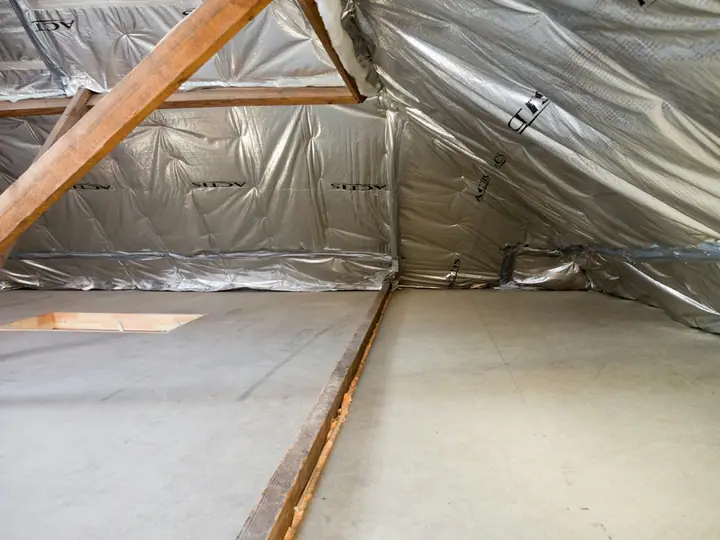
Many customers combine this with attic insulation or spray foam insulation to get the most from one visit.
Before you book
The cost of air sealing depends on how many gaps there are and how reachable they are, and a visit helps us find the major ones. Common high-value spots are the attic floor, the rim joist and around chimneys and pipes. If you have gas appliances, let us know their age and condition, since a tighter home needs proper venting. Many customers combine air sealing with insulation to get the full benefit.
A common surprise for homeowners is how much leakage comes from the basement and attic rather than the windows. A typical thorough job starts at the top, sealing around wiring, flues and the attic hatch, then moves to the rim joist and utility penetrations below. Fixing these often makes a bigger difference than replacing windows.
Serving Newark and nearby
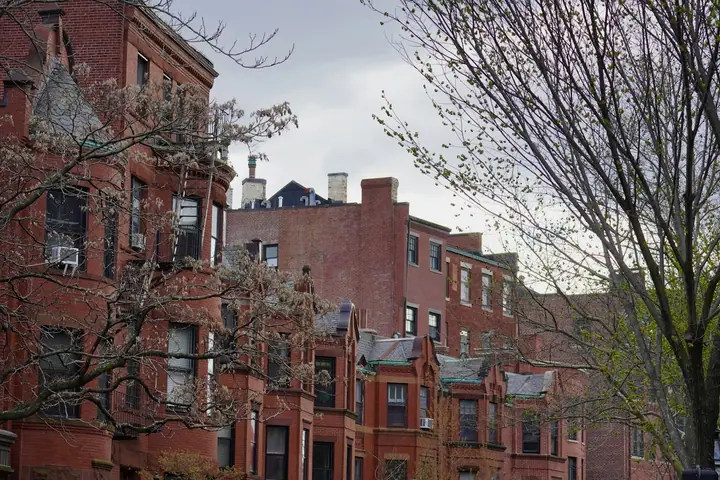
We air seal homes across Newark, East Orange, Irvington, Orange and Bloomfield, with particular attention to older buildings with many hidden gaps.
Air Sealing and Weatherization questions
Will my house become too airtight?
Most older homes are far from that. If a home is already tight, we will check ventilation and combustion safety.
Is air sealing the same as insulation?
No. Insulation slows heat flow. Air sealing stops air movement. They work best together.
Can you test for leaks?
We locate leaks through inspection and common tools. If you want formal testing, we can point you to a certified energy auditor.
Does it help with noise and dust?
Often yes, since sealing blocks the air paths that carry both.
Related services

Ready for cleaner air and a more comfortable home?
Call any time, day or night, or request a free quote and we will get back to you quickly.