
Basement Insulation in Newark, NJ
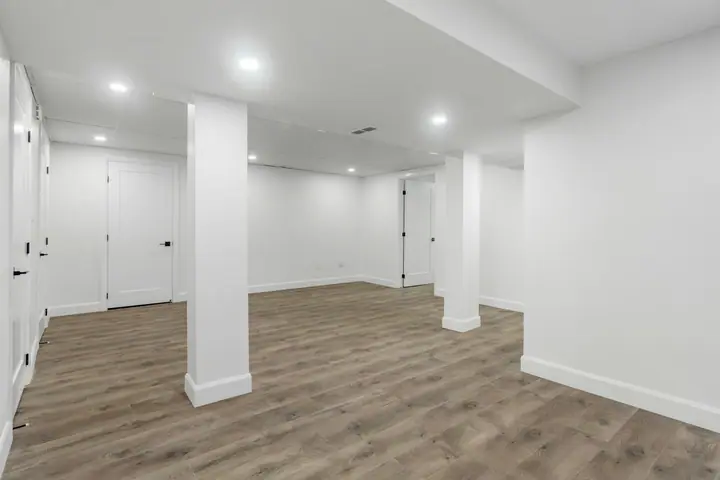
Basements lose heat through concrete walls and through the rim joist, the band of framing that sits on top of the foundation. Insulating those areas keeps the basement more comfortable, warms the floors above and prepares the space for finishing. It also reduces the cold air that drifts up into the rest of the home.
Why basement insulation matters in Newark
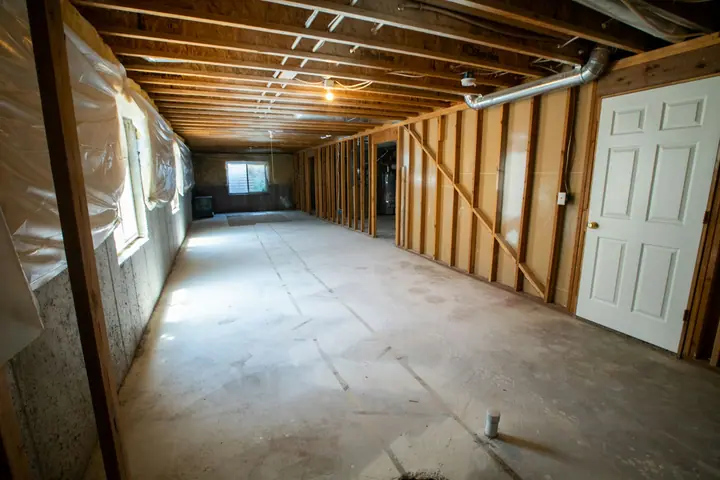
Many Newark homes have full basements that are used as laundry rooms, workshops or extra living areas. Uninsulated foundation walls feel cold and can encourage condensation. The rim joist is often the biggest leak point and is easy to miss. Spray foam is a common choice for rim joists because it insulates and air seals in one step, while rigid foam or specialized batts are used on masonry walls. Moisture control comes first: if water is entering the basement, we recommend addressing it before adding insulation, and we use materials that do not hold water against framing.
Signs you may need basement insulation
- Cold basement and cold floors above
- Drafts around the top of the foundation wall
- Condensation on walls or pipes
- A basement you plan to finish or convert
- Uninsulated or fallen rim joist batts
How we do it
Check moisture and walls
We inspect for leaks, efflorescence and surface moisture on foundation walls.
Seal the rim joist
Gaps around the sill and penetrations are sealed, often with spray foam.
Insulate walls
Rigid foam or other moisture-tolerant insulation is installed on the foundation walls.
Protect and finish
Code-appropriate coverings are discussed if the space will be finished.
Walk-through
We review the work and answer questions about next steps.
What you get
Warmer home overall
Treating the rim joist and walls reduces a major source of heat loss.
More usable space
An insulated basement is far more comfortable for laundry, storage or finishing.
Reduced condensation
Insulating cold surfaces helps keep moisture from collecting on them.
Many customers combine this with crawl space insulation or spray foam insulation to get the most from one visit.
Before you book
The condition of your foundation walls decides what we can do. Dry, clean masonry is ready for insulation, while damp or flaking walls may need attention first. Tell us if you plan to finish the basement, because that affects the type of insulation and the coverings that code may require. Clear shelving and stored items along the walls before our visit, and point out any known leaks or past flooding.
Fiberglass batts pressed against a basement wall are one of the most common mistakes we see, since they can trap moisture against the masonry. We prefer foam board or closed-cell foam against foundation walls, and we leave batts for above-grade framing. We also seal the top of the foundation wall where cold air tends to enter the house.
Serving Newark and nearby
We insulate basements throughout Newark, including the Ironbound and Roseville, as well as East Orange, Kearny, Bloomfield and Nutley.
Basement Insulation questions
Do I need to waterproof first?
If water is entering, yes. Insulation works best on a dry foundation, and we will tell you if moisture needs attention first.
What is a rim joist and why does it matter?
It is the framing resting on the foundation. It is full of gaps and often uninsulated, so it leaks a lot of air.
Can I finish the basement afterward?
Yes. Proper insulation is a good first step. We can also advise on coverings required by code.
Is spray foam necessary?
Not always. It is just one of several options, and we recommend what suits your basement.
Related services

Ready for cleaner air and a more comfortable home?
Call any time, day or night, or request a free quote and we will get back to you quickly.